







A thriving garden depends on many factors, but water management is one of the most essential. Whether you are growing vegetables, maintaining a lawn, or cultivating ornamental plants, a well‑designed garden irrigation setup ensures your plants receive the right amount of water at the right time. In this comprehensive guide, we will explore everything you need to know about irrigation systems, choosing the right setup, installation tips, maintenance, and common mistakes to avoid.
What Is Garden Irrigation?
Garden irrigation refers to the artificial application of water to soil or plant surfaces to assist in plant growth. It replaces or supplements natural rainfall and plays a critical role in regions with inconsistent precipitation or hot, dry seasons. An effective irrigation system delivers water efficiently, minimizing waste while maximizing plant health.
Today’s irrigation solutions range from simple drip irrigation systems to advanced automated sprinklers. Each type has its advantages and is suited to different garden sizes and plant types.
Why Your Garden Needs a Proper Irrigation Setup
Many gardeners initially rely on watering cans or hoses. While these methods work for small beds, they are:
- Time‑consuming
- Inconsistent
- Inefficient in water use
A strategically designed irrigation setup offers:
- Consistent watering schedules
- Reduced water waste
- Healthier, deeper root systems
- Less manual labor
- Customization for different plant needs
Whether you have a small vegetable patch or an expansive backyard, irrigation enhances productivity and appearance.
Types of Garden Irrigation Systems
Selecting the right irrigation system depends on your garden size, plant types, water availability, budget, and maintenance willingness. Below are some of the most common irrigation types:
Drip Irrigation System
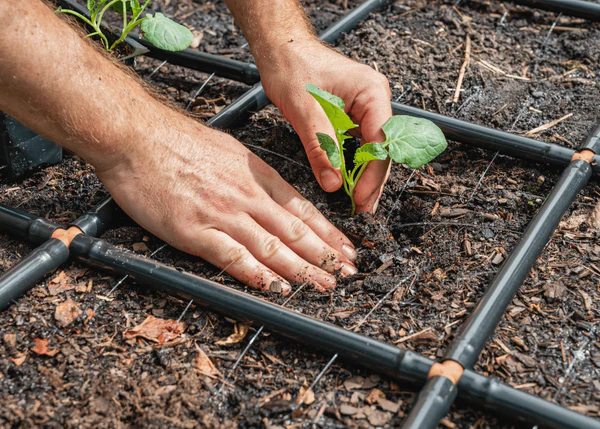
Drip irrigation is one of the most water‑efficient methods. It delivers water slowly and directly to the plant base through a network of tubes, emitters, and valves. This system minimizes evaporation and runoff, making it ideal for:
- Vegetable gardens
- Flower beds
- Shrubs and trees
Drip irrigation reduces weed growth because water is not sprayed over large areas.
Sprinkler Irrigation System
Sprinkler systems mimic rainfall, spraying water into the air to cover a broader area. They are excellent for lawns and larger garden beds. Key benefits include:
- Even water distribution
- Flexible coverage
- Compatibility with timers and controllers
Pop‑up sprinklers and rotary sprinklers are common types. However, this system can lose water to wind drift and evaporation if not properly configured.
Soaker Hose Irrigation
A soaker hose system is a cost‑effective alternative to drip irrigation. Porous hoses release water slowly along their length. Soaker hoses are easy to install and work well for:
- Rows of plants
- Raised beds
- Perennial gardens
While not as precise as drip systems, they still reduce water waste compared to traditional hoses.
Manual Hose and Timer Setup
For gardeners on a budget, a manual hose with a timer provides control over watering schedules without full automation. This setup lets you:
- Water specific times
- Avoid overwatering
- Combine with other systems
Although not fully automated, adding a timer improves consistency.
Planning Your Garden Irrigation Setup
Designing an irrigation system begins with careful planning. Follow these steps to ensure a successful installation.
Step 1: Assess Your Garden
Begin by understanding your garden layout. Ask:
- What plants do I have?
- Which areas are sunny, shaded, or dry?
- What are soil types (clay, sandy, loam)?
Mapping your garden on paper helps visualize zones for different irrigation needs.
Step 2: Determine Water Source and Pressure
Check where water is coming from:
- Outdoor faucet
- Rainwater tank
- Well or borehole
Test water pressure to ensure it meets the minimum requirements for your irrigation system, especially if you plan to use sprinklers.
Step 3: Choose Your Irrigation Type
Match irrigation types to plant needs:
- Drip irrigation for vegetables and beds
- Sprinklers for lawns
- Soaker hoses for winding garden rows
You can also combine systems—for example, sprinklers for lawn areas and drip for borders.
Step 4: Design Irrigation Zones
Divide your garden into zones based on plant water needs. High‑water plants, dry‑tolerant plants, and lawn areas should be watered separately to optimize efficiency and prevent overwatering.
Step 5: Select Components
Typical garden irrigation components include:
- Mainline tubing
- Emitters and drip lines
- Sprinkler heads
- Control valves
- Timers and controllers
Quality components improve durability and reduce maintenance needs.
Installing Your Garden Irrigation System
Once your plan is ready, follow these general steps for installation.
Layout and Marking
Use spray paint or stakes to mark irrigation lines, plant locations, and water zones. This step makes trenching easier and prevents accidental digging into gardens later.
Trenching and Tubing
For underground systems, dig shallow trenches for pipes. Install mainline tubing and connector fittings according to your design. For surface systems like soaker hoses, arrange hoses around plants and secure them in place.
Connecting Sprinklers or Emitters
Attach drip emitters at plant bases or position sprinklers to cover lawn areas. For drip systems, ensure emitters are placed within 10–20 centimeters of each plant.
Controllers and Timers
Install an irrigation controller or timer at the water supply. Set watering schedules based on plant needs, weather, and soil moisture.
Testing the System
Turn on the system and check for:
- Leaks
- Clogged emitters
- Uneven coverage
Adjust where necessary to ensure optimal performance.
Automating Irrigation for Convenience
An automated irrigation setup uses timers and sensors to water your garden on a schedule without manual input. Advanced controllers include:
- Weather‑based scheduling
- Soil moisture sensors
- Smartphone integration
Automation boosts water efficiency by adjusting schedules for seasonal changes. Smart controllers can pause irrigation during rain events and resume when soil dries.
Maintenance Tips for Longevity
Proper maintenance keeps your irrigation system performing well year‑round.
Regular Inspection
Check your system monthly. Look for:
- Broken sprinklers
- Clogged emitters
- Leaks in tubing
Replace worn parts promptly.
Seasonal Flushing
Flush drip lines at the start and end of the season to clear debris. This prevents clogging and ensures even water flow.
Winterization
In cold climates, drain water from hoses and pipes before winter. Frozen water can damage components.
Filter Cleaning
If your system has filters, clean them regularly to prevent particles from blocking emitters.
Common Garden Irrigation Mistakes
Avoid these common pitfalls when setting up your garden irrigation:
- Overwatering: Too much water can rot plant roots and waste water.
- Incorrect sprinkler placement: Overlapping coverage can create puddles and dry spots.
- Ignoring plant needs: Different plants require different watering schedules.
- Poor scheduling: Watering at midday increases evaporation; early morning is best.
- Skipping maintenance: Neglected systems develop blockages and leak over time.
Garden Irrigation for Sustainable Water Use
Garden irrigation isn’t just about watering plants—it’s about using water responsibly. Consider these sustainable practices:
- Harvest rainwater with barrels or tanks.
- Use mulch to reduce evaporation.
- Group plants by water needs to avoid overwatering.
- Install soil moisture sensors to prevent unnecessary irrigation.
Sustainable irrigation saves water and reduces your environmental footprint.
Cost Considerations
Costs vary widely based on garden size, system type, and automation level. A simple soaker hose setup may cost under a hundred dollars, while a fully automated sprinkler and drip system could run into several hundred dollars. Budget for:
- Components
- Professional installation (optional)
- Maintenance
While initial costs may seem high, irrigation saves time, improves plant health, and reduces long‑term water use.
Final Thoughts
A thoughtful garden irrigation setup transforms how you manage your outdoor space. Whether starting from scratch or upgrading an existing system, the right design improves plant health, saves water, and boosts the beauty of your garden.
By understanding different irrigation types, planning with care, and maintaining your system regularly, you can create an efficient, reliable watering solution tailored to your landscape. Start planning your garden irrigation setup today and enjoy a healthier, more vibrant garden tomorrow.