









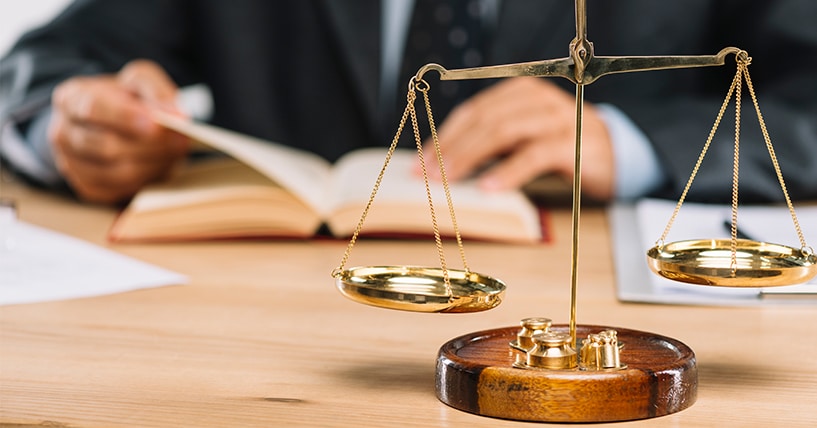
Civil law procedures form the backbone of how disputes are resolved in courts when individuals or entities seek legal remedies outside of criminal prosecution. Whether you are a law student, legal professional, or a person involved in a civil dispute, understanding civil law procedures is essential. This comprehensive guide explains key concepts, stages, strategies, and practical tips related to civil litigation.
What is Civil Law?
Civil law refers to the body of legal rules and procedures that govern disputes between private parties. These disputes can involve individuals, businesses, government agencies, or other organizations. Unlike criminal law, which deals with offenses against the state and may result in punishment such as imprisonment or fines, civil law is focused on rights, obligations, and remedies between disputing parties.
Common types of civil disputes include:
- Contract disputes
- Tort claims such as negligence
- Property disputes
- Family law matters (e.g., divorce, child custody)
- Consumer rights cases
- Commercial litigation
The rules that govern how a civil dispute progresses through the court system are collectively referred to as civil law procedures.
Purpose of Civil Law Procedures
Civil law procedures exist to ensure that:
- Disputes are resolved fairly and impartially
- Both parties have an equal opportunity to present their case
- The judicial process is transparent and consistent
- Legal remedies are effectively enforced
Every jurisdiction has its own set of procedural rules. For example, in the United States, the Federal Rules of Civil Procedure (FRCP) govern civil litigation in federal courts, while individual states have adopted their own rules. Similarly, in jurisdictions like the United Kingdom, Civil Procedure Rules (CPR) structure the litigation process. In Pakistan, civil procedure is governed by the Code of Civil Procedure, 1908, which outlines the step‑by‑step process for civil litigation in district and high courts.
Stages of Civil Law Procedures
Understanding the stages of civil litigation helps litigants and legal professionals prepare and manage expectations. Although procedures vary slightly depending on the jurisdiction and case type, most civil lawsuits follow a similar pattern:
1. Pre‑Litigation and Demand Stage
Before filing a lawsuit, the plaintiff or claimant typically attempts informal resolution. This may involve:
- Negotiations between parties
- Demand letters or notices
- Mediation or alternative dispute resolution (ADR)
Engaging in pre‑litigation efforts can save time, reduce legal costs, and sometimes avoid the need to file formal court proceedings.
2. Filing the Complaint or Plaint
Civil proceedings officially begin when the plaintiff files a legal document known as a complaint or plaint in court. This document:
- Identifies the parties
- Outlines the facts of the dispute
- States legal claims
- Requests remedies (e.g., monetary damages or injunctions)
Once the complaint is filed, the court assigns a case number and issues a summons that must be served on the defendant.
3. Service of Process
Service of process is the formal delivery of court documents to the opposing party. Proper service ensures that the defendant receives notice of the lawsuit and has the opportunity to respond. Methods of service can include:
- Personal service by a process server
- Registered mail
- Service through substituted means if the defendant is difficult to locate
Failure to serve the defendant correctly can result in delays or dismissal of the case.
4. Defendant’s Response
After being served, the defendant has a limited time — usually determined by law — to respond. The typical response is known as an answer, in which the defendant:
- Admits or denies the allegations
- Raises defenses
- May file counterclaims against the plaintiff
In some cases, the defendant may file a motion to dismiss rather than an answer, arguing that the complaint is legally insufficient.
5. Discovery Phase
Discovery is a pivotal stage in civil litigation. It involves the exchange of relevant information and evidence between parties. The main tools of discovery include:
- Interrogatories: Written questions that must be answered under oath
- Requests for Production: Demanding documents, records, or tangible evidence
- Depositions: Oral testimony taken under oath before trial
- Requests for Admissions: Asking the opposing party to admit or deny certain facts
Discovery ensures that both sides are aware of the facts and can prepare effectively for trial.
6. Pre‑Trial Motions and Conferences
After discovery, parties may file pre‑trial motions. Common motions include:
- Motion for Summary Judgment: Asking the court to decide the case without trial based on undisputed facts
- Motions in Limine: Requests to exclude certain evidence at trial
Pre‑trial conferences are also held to streamline issues, agree on timelines, and set trial dates.
7. Trial
If the case proceeds to trial, it will be heard before a judge or jury. The trial process generally includes:
- Opening Statements
- Presentation of Evidence
- Witness Testimony and Cross‑Examination
- Closing Arguments
- Verdict and Judgment
Civil trials focus on the preponderance of evidence, meaning the party with the more convincing case wins.
8. Post‑Trial Motions and Appeals
After a trial judgment, the losing party may file post‑trial motions, such as:
- Motion for a New Trial
- Motion to Amend Judgment
If dissatisfied, a party can often appeal the decision to a higher court. Appeals focus on legal errors made in the trial, not on re‑weighing evidence.
Civil Law Remedies
Civil proceedings aim to provide remedies that compensate the aggrieved party or enforce legal rights. The most common remedies include:
Monetary Damages
Damages are financial awards intended to compensate for losses. Types include:
- Compensatory Damages: To cover actual losses
- Punitive Damages: To punish wrongful conduct
- Nominal Damages: Small awards when a legal wrong occurred but no monetary loss
Specific Performance
In cases involving unique goods or real estate, courts may order the defendant to follow through on contractual obligations.
Injunctions
An injunction is a court order requiring a party to do or stop doing something. Injunctions can be temporary (interim) or permanent.
Alternative Dispute Resolution (ADR)
Throughout civil procedures, many jurisdictions encourage or mandate ADR methods, including:
- Mediation: A neutral third party helps parties negotiate a settlement
- Arbitration: A neutral arbitrator issues a binding decision
ADR is often faster, less formal, and more cost‑effective than a full trial.
Key Legal Principles in Civil Law Procedures
Understanding basic principles helps parties navigate litigation:
- Due Process: Every litigant must be given fair notice and opportunity to be heard
- Burden of Proof: In civil cases, the plaintiff must prove claims by the preponderance of evidence
- Judicial Discretion: Trial judges have significant latitude in managing cases and evidence
- Finality of Judgment: Once all appeals are exhausted, judgments become final and enforceable
Practical Tips for Civil Litigants
Whether you are a lawyer or a self‑represented litigant, consider the following:
- Prepare Early: Gather documents and potential evidence at the outset
- Understand Rules: Civil procedure rules are technical and strict deadlines apply
- Use Discovery Wisely: Well‑crafted discovery requests can strengthen your case
- Consider Settlement: Most civil cases settle before trial, so be open to negotiation
- Consult Legal Experts: Complex cases often require experienced legal counsel
Conclusion
Civil law procedures are designed to structure the resolution of disputes in a fair, predictable, and principled manner. From filing the initial claim to presenting evidence, navigating pre‑trial motions, and possibly litigating in court, each stage plays a vital role in protecting legal rights and interests.For anyone involved in a civil dispute, a strong understanding of civil law procedures — whether in the context of contract disputes, tort claims, property matters, or commercial litigation — provides clarity and confidence throughout the legal process.