









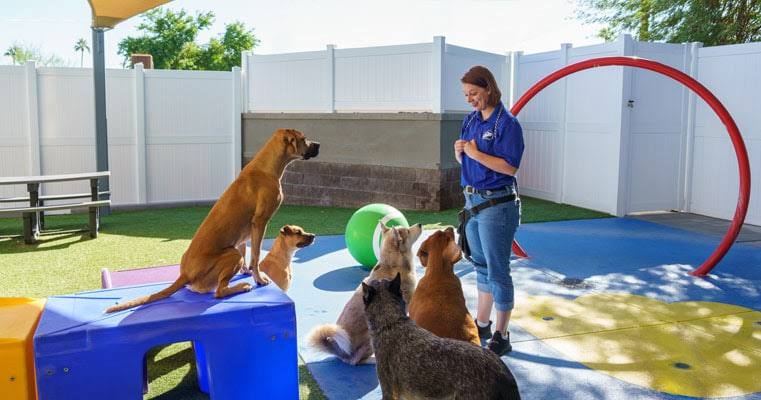
Finding the right dog daycare alternative Scottsdale owners can trust starts with understanding what a dog actually needs during the day. While traditional daycare can work well for some dogs, others may become overwhelmed by group environments, constant activity, or routines that do not match their individual needs.
A more personalized approach can give dogs structured attention while supporting training, behavior, exercise, and relaxation. For owners in Scottsdale, exploring alternatives to conventional daycare may provide a better fit for their dog’s temperament and daily routine.
Why Consider a Dog Daycare Alternative in Scottsdale?
Dog daycare often involves group play, shared spaces, and scheduled activities. Although these environments can provide exercise and social interaction, they are not necessarily ideal for every dog.
Some dogs prefer predictable routines and individualized attention. Others may need help developing better manners, managing excitement, or becoming comfortable with situations that commonly occur around people and other animals.
A dog daycare alternative can focus on the individual dog rather than simply providing hours of supervised activity. This can be particularly useful for puppies, adolescent dogs, anxious dogs, highly energetic breeds, or dogs that benefit from ongoing behavioral guidance.
Instead of asking whether daycare is good or bad, owners should consider a more important question: What type of care supports this particular dog best?
What Makes an Alternative Approach Different?
A quality alternative to traditional daycare should address more than basic supervision. It should consider the dog’s behavior, energy level, training history, routine, and ability to settle.
Personalized dog care may incorporate elements such as:
- Structured exercise
- Obedience practice
- Individual attention
- Leash and impulse-control work
- Mental stimulation
- Reinforcement of household manners
- Calm periods and rest
- Consistent communication with the owner
This approach can help turn daily care into an opportunity for positive learning. Dogs are constantly experiencing and responding to their environment, so consistency can make a meaningful difference in how they behave at home and in public.
Dog Training as a Daycare Alternative
For owners looking beyond group daycare, dog training can provide a productive way to spend a dog’s time while reinforcing desirable behaviors.
Training does not have to mean rigid drills or lengthy sessions. Practical training can be incorporated into everyday activities, including walking, waiting at doors, responding to cues, settling calmly, and interacting appropriately with people.
Rob’s Dog Training provides dog care and training services designed around practical canine needs. A structured training-focused approach can help owners work toward specific goals rather than relying solely on physical activity to keep a dog occupied.
For dogs that need more than playtime, this can create a useful combination of mental stimulation, physical activity, and behavioral development.
Choosing the Right Scottsdale Dog Care Option
Every dog has different needs, which means owners should evaluate care options based on individual circumstances.
Before choosing a provider, consider these questions:
- How does the dog respond to group environments?
Some dogs thrive around other dogs, while others become overstimulated or distracted. - Does the dog need behavioral support?
Jumping, pulling, excessive excitement, poor recall, or difficulty settling may indicate that structured training could be valuable. - How much exercise does the dog actually need?
Exercise requirements vary based on age, breed, health, temperament, and lifestyle. - Can the provider explain its daily routine?
Clear information about supervision, training, exercise, rest, and communication helps owners understand what their dog will experience. - Does the service match the owner’s goals?
A puppy learning household manners may need a different approach than an adult dog working on leash skills.
Taking these factors into account can make it easier to identify a care arrangement that supports both the dog and the owner’s expectations.
Mental Stimulation Matters Too
Physical exercise is only one part of keeping a dog engaged. Dogs also need opportunities to think, respond to cues, explore appropriate environments, and practice self-control.
Mental stimulation can include basic obedience exercises, scent-based activities, problem-solving games, controlled walks, and learning new behaviors. These activities can help provide an outlet for a dog’s natural curiosity while reinforcing communication between the dog and owner.
For some dogs, several short periods of purposeful activity can be more useful than simply spending hours in an active group environment.
Building Better Behavior Through Consistency
One advantage of a training-centered dog care approach is that it can reinforce behaviors owners want to see at home.
For example, a dog that practices waiting patiently before going outside can begin to understand that calm behavior produces positive outcomes. A dog that works regularly on leash manners can receive consistent reinforcement for walking without pulling.
Consistency matters because dogs learn through repeated experiences. When expectations are clear and reinforcement is predictable, desirable behaviors have more opportunities to become part of the dog’s normal routine.
Owners can strengthen this progress by using the same cues and expectations at home.
Is a Daycare Alternative Right for Your Dog?
A daycare alternative may be worth considering if your dog:
- Becomes overstimulated in busy group settings
- Needs more individualized attention
- Has specific training goals
- Requires structured exercise
- Needs help learning to settle
- Is still developing basic manners
- Benefits from predictable routines
- Needs mental stimulation in addition to physical activity
It is also important to recognize that no single care model is appropriate for every dog. Owners should consider temperament, age, behavior, exercise requirements, and professional recommendations when deciding what type of care makes sense.
Creating a More Purposeful Daily Routine
A productive dog-care routine does not need to be complicated. The goal is to balance activity with learning, engagement, and rest.
A simple daily structure might include:
- A controlled morning walk
- Short obedience practice
- Time for supervised exploration
- Mental enrichment
- A calm rest period
- Additional exercise suited to the dog’s needs
- Reinforcement of household manners
The exact schedule should be adjusted to the dog’s individual energy level and circumstances. Puppies, older dogs, and high-energy breeds may have very different requirements.
The most important factor is creating a routine that is realistic and sustainable.
Finding a Better Fit for Your Dog
Choosing a dog daycare alternative Scottsdale owners can feel comfortable with is ultimately about finding care that aligns with the dog’s individual needs. Traditional daycare may be appropriate for some dogs, while others may benefit more from individualized training, structured activities, and predictable routines.
Rather than focusing only on how many hours a dog is supervised, consider what the dog is learning, how the dog is behaving, and whether the experience supports long-term goals.
For owners interested in combining professional guidance with practical dog care, Rob’s Dog Training offers services focused on developing useful behaviors and stronger communication between dogs and their owners. Learn more by visiting robsdogs.